
Explore our Breast Pumps Category |Anko Retail
Navigate Your Breastfeeding Journey with Confidence
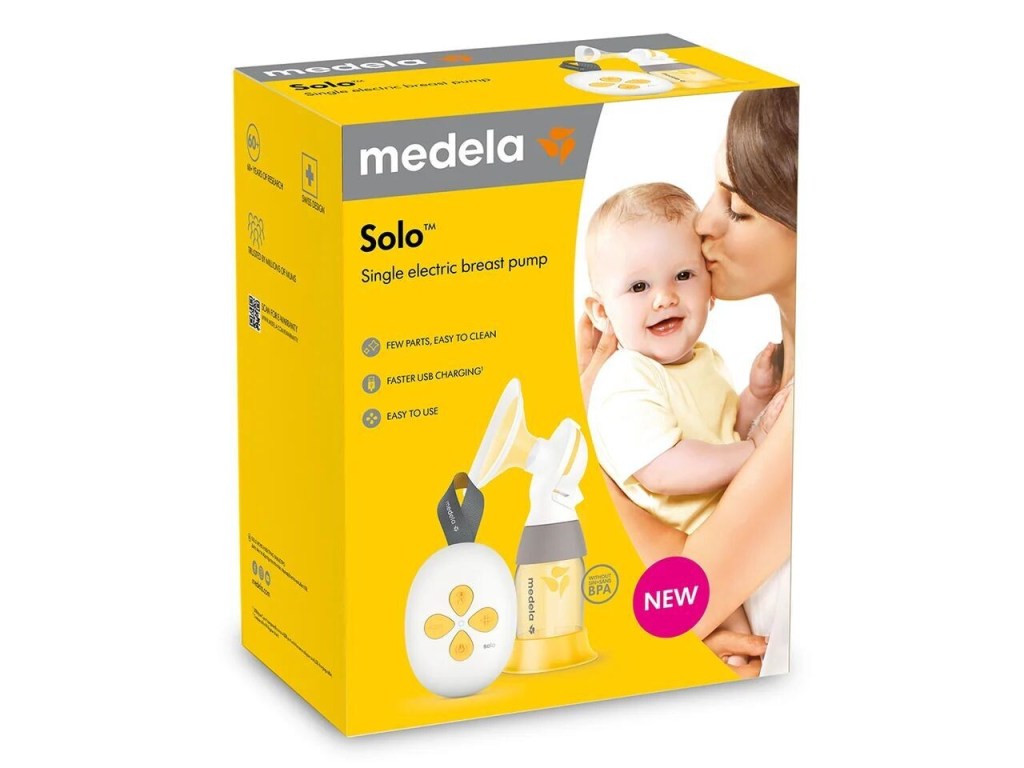
Breastfeeding is a beautiful journey that fosters a unique bond between mother and baby. However, it can also come with challenges. A reliable breast pump can be a game-changer for many new moms, offering flexibility, comfort, and support throughout your breastfeeding experience. Whether you’re planning to return to work, address supply concerns, or simply need a break, a breast pump can be a valuable tool to have on hand.
Click here to Explore Philips Avent Breast Pumps
Understanding Breast Pumps: Your Essential Guide
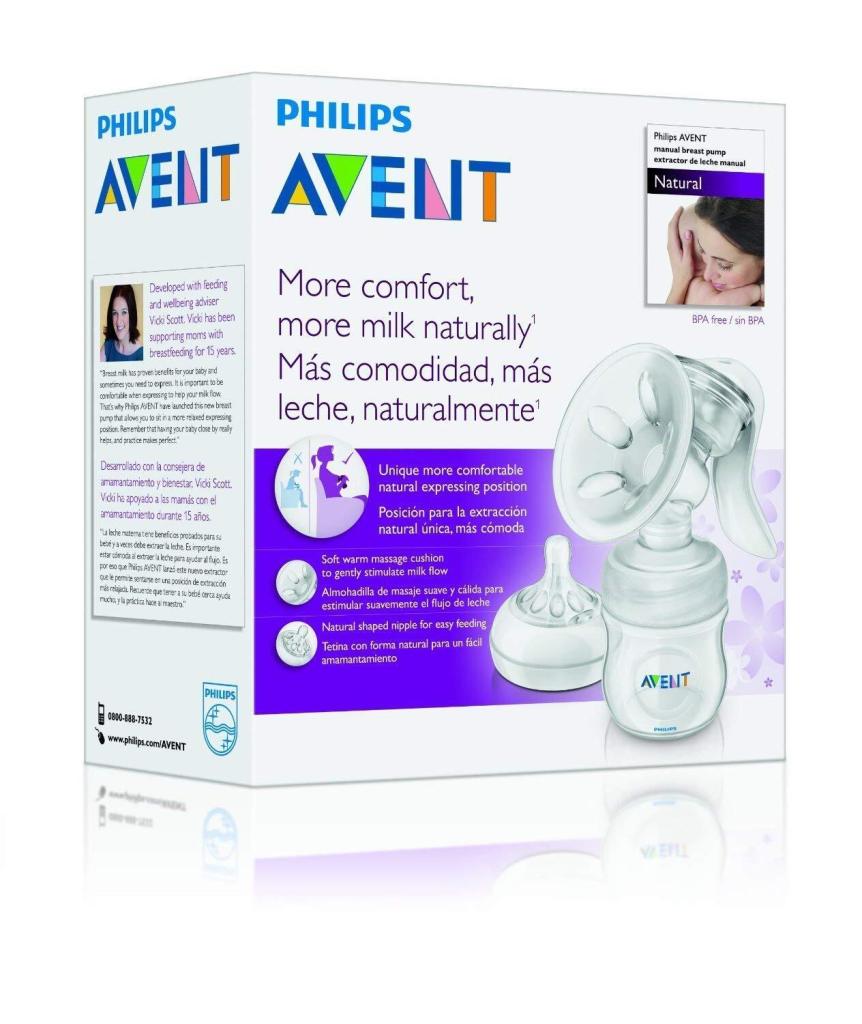
Breast pumps are devices that help mothers express milk from their breasts. They can be lifesavers, offering the freedom to store milk for later use, maintain a steady supply, and even share feeding duties with partners. Let’s delve into the different types of breast pumps available and how they can benefit you:
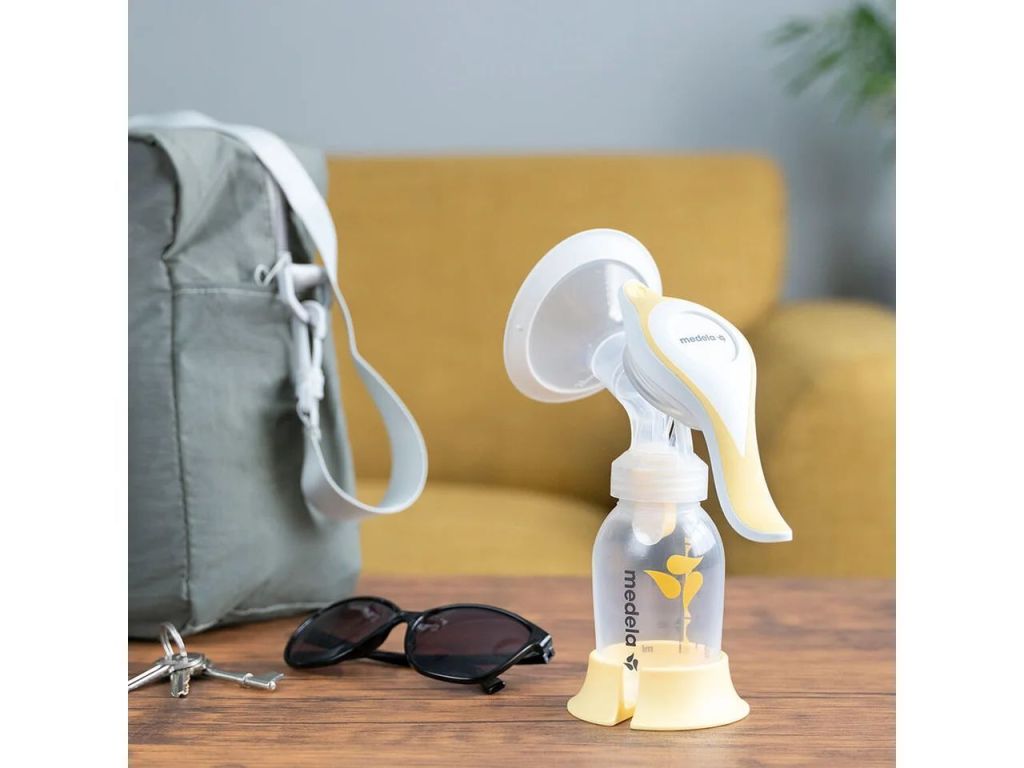
- Manual Pumps: These hand-operated pumps are ideal for occasional use. They are quiet, portable, and generally more affordable.
- Electric Pumps: Powered by batteries or an outlet, electric pumps offer customizable settings for comfort and efficiency. They can be lifesavers for frequent pumping sessions.
- Single Pumps: These allow you to pump one breast at a time, making them a budget-friendly and lightweight option.
- Double Pumps: These allow you to pump both breasts simultaneously, saving time and potentially increasing milk production.
Choosing the Right Breast Pump: It All Depends on You
Finding the right breast pump ultimately depends on your individual needs and lifestyle. Here are some factors to consider:
Click here to Explore Mendela breast pumps in Kenya
Frequency of Use: How often will you be using the pump? Occasional use might call for a manual pump, while frequent pumping might benefit from an electric double pump.
- Budget: Breast pumps come in a variety of price ranges. Consider your budget and choose one that offers the features you need without compromising quality. Breast pumps in Kenya can cost from Kes. 500 up to upwards of kes. 25,000 depending on type and brand.
- Lifestyle: Your lifestyle plays a huge role in determining which breast pump will work best for you. Are you a stay-at-home mom, a working professional, or a frequent traveler? Each situation demands different features from a breast pump.
● Stay-at-Home Moms: If you’re primarily staying at home, you might prioritize a pump that offers comfort and efficiency over portability. An electric pump with customizable settings can be ideal for daily use.
● Working Moms: If you’re returning to work, a double electric pump can save you time and efficiently maintain your milk supply. Look for models that are easy to transport and set up. Some even come with stylish carrying cases that look just like regular bags!
● Frequent Travelers: For moms always on the go, a lightweight, battery-operated pump offers the flexibility you need. Battery-operated pumps are portable and don’t require you to be near an electrical outlet. They can be used in your car, at the office, or wherever you might find yourself needing a quick pumping session.
Choosing the right breast pump ultimately depends on balancing these factors. By considering how often you’ll use the pump, your budget, and your lifestyle needs, you can find a breast pump that makes breastfeeding easier and more comfortable for you.
The Benefits of Using a Breast Pump:
Breast pumps offer numerous advantages for breastfeeding mothers:
- Flexibility and Convenience: Breast pumps provide much-needed flexibility, allowing you to express milk at your convenience and ensure your baby receives the benefits of breast milk even when you’re not around.
- Maintaining Milk Supply: Regular pumping helps maintain and even boost your milk supply by mimicking your baby’s natural feeding pattern and signaling your body to produce more milk.
- Sharing Feeding Responsibilities: Breast pumps empower other family members to participate in the feeding process, creating a more inclusive experience for everyone.
- Monitoring Baby’s Intake: Knowing exactly how much milk your baby consumes can be especially reassuring for parents of premature babies or those with feeding concerns.
How to Use a Breast Pump
Using a breast pump can feel a bit intimidating, especially if you’re a first-time mom. But with the right preparation and technique, it can become a seamless part of your routine. Here’s a step-by-step guide to help you get started.
Preparation
Before you start pumping, it’s important to prepare both yourself and your equipment. Here are some steps to ensure everything goes smoothly:
1. Wash Your Hands: Always start by washing your hands thoroughly with soap and water. Clean hands prevent contamination and keep your baby safe.
2. Sanitize Equipment: Make sure all pump parts that come into contact with milk are clean. Sterilize them if it’s the first time using the pump or after each use. This includes bottles, flanges, valves, and connectors.
3. Set Up a Comfortable Space: Find a quiet, comfortable place where you can relax. This could be a cozy corner in your home or a private room at work. Being relaxed helps with milk flow.
4. Hydrate: Have a glass of water nearby. Staying hydrated is crucial for maintaining milk supply.
5. Assemble the Pump: Follow the manufacturer’s instructions to assemble your breast pump. Ensure all parts are securely connected.
Pumping Process
Now that you’re prepared, it’s time to start pumping. Follow these steps for a successful session:
1. Positioning: Sit in a comfortable chair with good back support. Make sure you’re sitting upright. Position the flanges (breast shields) over your nipples so they’re centered. This helps create a good seal and prevents discomfort.
2. Start Pumping: If you’re using an electric pump, turn it on and start at a low suction setting. Gradually increase the suction to a comfortable level—this mimics your baby’s natural sucking patterns. If you’re using a manual pump, start pumping with slow, steady squeezes.
3. Pumping Duration: Pump for about 15-20 minutes per session. If you’re double pumping (both breasts at the same time), it might take less time. If single-pumping, you may need about 10-15 minutes per breast. Listen to your body; some moms might need more or less time.
4. Massage Your Breasts: Gently massage your breasts before and during pumping. This can help stimulate milk flow and ensure you’re emptying your breasts completely.
5. Alternate Breasts: If you’re using a single pump, switch breasts halfway through your session to ensure even milk production.
Cleaning and Maintenance
sential for your baby’s health and the longevity of the pump. Here’s how to keep everything in top shape:
1. Disassemble the Pump: After each use, take apart all the parts that come into contact with milk.
2. Rinse in Cool Water: Rinse each piece in cool water to remove any milk residue. This prevents milk proteins from sticking to the parts.
3. Wash Thoroughly: Wash all parts with warm, soapy water. Use a bottle brush to scrub any hard-to-reach areas. Check the manufacturer’s instructions—some parts might be dishwasher-safe.
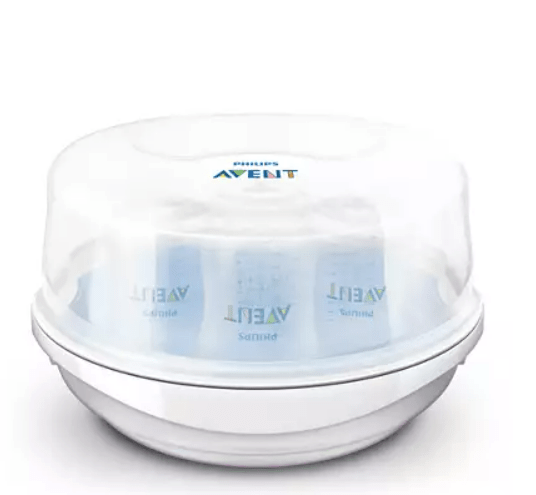
4. Sterilize Regularly: While it’s not necessary to sterilize parts after every use, doing it regularly (once a day or a few times a week) is recommended. You can use a microwave steam sterilizer or boiling water.
5. Air Dry: Let all parts air dry on a clean dish towel or drying rack. Avoid using towels or paper towels, as they can harbor bacteria.
6. Store Properly: Once dry, store the parts in a clean, dry place. Use a clean container or zip-lock bag to keep everything sanitary.
By following these steps, using a breast pump can become an easy and effective part of your breastfeeding routine. Taking the time to prepare, pumping correctly, and maintaining your equipment ensures both you and your baby enjoy a smooth and safe experience.
Common Issues and Troubleshooting
Using a breast pump can sometimes be tricky. Here are common issues moms encounter and how to fix them.
Low Milk Output
Struggling with low milk output? Here are some reasons this might be happening and ways to fix it:
● Improper Latch: Make sure the flange fits well. Your nipple should be centered and move freely in the tunnel.
● Pumping Frequency: You might need to pump more often. Aim for 8-10 times a day if you’re exclusively pumping.
● Hydration and Nutrition: Drink plenty of water and eat balanced meals. Your body needs fuel to produce milk.
● Stress Levels: Stress can lower milk supply. Find ways to relax, like deep breathing or listening to calming music.
● Pump Settings: Experiment with different suction levels and speeds to find what works best for you.
If these tips don’t help, consider consulting a lactation specialist for personalized advice.
Pain or Discomfort
Experiencing pain or discomfort while pumping isn’t normal and should be addressed immediately:
● Wrong Flange Size: If the flange is too small or too large, it can cause pain. Measure your nipple and get the correct size flange.
● Suction Level: Start with a low suction setting and gradually increase it. Too much suction too quickly can cause discomfort.
● Nipple Creams: Use lanolin or other nipple creams to soothe soreness. Apply after each pumping session.
● Breast Shields: If your nipples are sore, consider using silicone breast shields to reduce friction.
Pay attention to your body. If the pain persists, consult a healthcare provider to rule out other issues.
Pump Malfunctions
Mechanical issues with your pump can be frustrating. Here’s how to tackle them:
● Suction Problems: Check the tubing and valves. Any cracks or loose connections can reduce suction. Replace worn-out parts if needed.
● Power Issues: Make sure the battery is charged or the pump is plugged in properly. Sometimes, switching outlets helps.
● Motor Sounds: If the motor is making unusual noises, it could be a sign of wear. Check the manual for troubleshooting tips or contact the manufacturer for assistance.
When these fixes don’t work, it might be time to consult a professional or consider replacing your pump. For ongoing issues, don’t hesitate to reach out to customer support for guidance.
Addressing these common problems can make your pumping experience smoother and more comfortable. Don’t be afraid to seek help when needed; a little troubleshooting can go a long way.
Breast Pump Hygiene and Safety
Maintaining hygiene and safety while using a breast pump is crucial for both you and your baby. Proper cleaning and storage ensure that your milk remains safe and free from harmful bacteria. Here’s a guide to keep everything clean and safe.
Cleaning Guidelines
Cleaning your breast pump parts thoroughly is essential to prevent contamination. Here are the steps you should follow:
1. Disassemble Pump Parts: After each use, take apart all parts that come into contact with breast milk. This includes bottles, valves, flanges, and connectors.
2. Rinse in Cool Water: Rinse each part under cool water to remove any milk residue. This helps prevent milk from sticking and hardening.
3. Wash in Warm Soapy Water: Use warm water and mild dish soap to wash all parts. A bottle brush can help clean hard-to-reach areas. Be thorough but gentle to avoid damaging delicate parts.
4. Rinse Again: Rinse all parts under warm running water to remove any soap residue. Leftover soap can irritate your baby’s mouth.
5. Air Dry: Place all parts on a clean towel or drying rack to air dry completely. Avoid using dish towels or paper towels as they can harbor bacteria.
6. Sterilize Regularly: Sterilize pump parts at least once a day by boiling them in water for 5-10 minutes, using a microwave steam sterilizer, or following the manufacturer’s instructions for other sterilizing methods.
Simple habits like these ensure your breast pump remains clean and safe for your baby.
Storage Tips
Storing breast pump parts and expressed milk correctly is just as important as cleaning them. Here’s how to do it:
1. Store Clean Parts: Once your pump parts are dry, store them in a clean, dry container. Zip-lock bags or dedicated storage containers with lids work well.
2. Refrigerate Milk Promptly: Store expressed milk in the refrigerator within 30 minutes of pumping. Use clean, BPA-free bottles or milk storage bags. Label each container with the date and time of expression.
3. Mind the Shelf Life: Freshly expressed milk can be stored in the refrigerator for up to 4 days. For longer storage, freeze the milk. In a freezer compartment inside a refrigerator, milk can last for 2 weeks. In a standalone freezer, it can last for up to 6 months.
4. Freeze in Small Amounts: Freeze milk in 2 to 4-ounce portions. This helps reduce waste and makes thawing quicker.
5. Thaw Safely: Thaw frozen milk in the refrigerator overnight, or by placing the container in warm water. Never microwave breast milk as this can create hot spots and destroy beneficial nutrients.
6. Use Fresh Milk First: Always use the oldest milk first. This ensures that no milk goes to waste.
Following these storage tips makes sure your baby always gets the freshest and safest milk possible. By keeping your breast pump clean and storing milk properly, you help maintain your baby’s health and well-being.
Talk to us For more information or to place an order, contact us at:
Facebook Support: Anko Retail Facebook
Call: +254741088795
WhatsApp: +254741088795
Email: customersupport@ankoretail.com


 Anko Retail